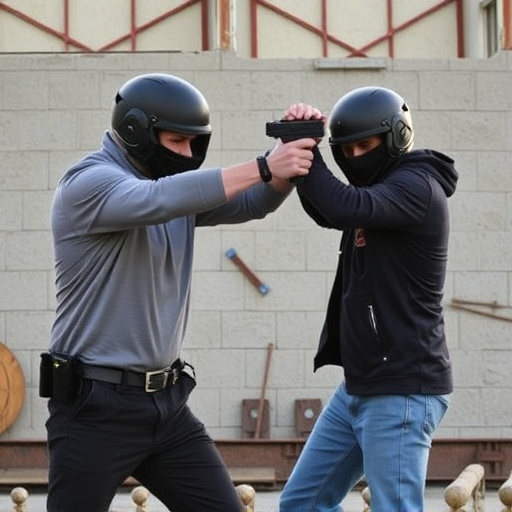
Tasers and stun guns, though similar non-lethal weapons, differ in operation: tasers use electrical probes to paralyze muscles over a broad area, while stun guns deliver concentrated electric shocks through direct contact. A concealed stun gun flashlight combo combines these features, offering both self-defense and light in dark areas. Legal status varies across jurisdictions; always check local laws. These combos are ergonomically designed, integrating a stun gun with a bright LED flashlight for discreet self-defense in low-light scenarios.
“In the realm of personal safety, self-defense devices like tasers and stun guns have emerged as powerful tools. Understanding the nuances between these two non-lethal weapons is crucial for those seeking effective protection. This article delves into the ‘Taser vs Stun Gun: A Comparative Analysis’, offering a comprehensive guide.
From technological disparities to legal aspects, we explore why knowing your device’s capabilities matters. We also shed light on the concealed stun gun flashlight combo, a versatile and discrete self-defense solution, catering to modern safety needs.”
- Understanding Tasers and Stun Guns: A Brief Overview
- Key Differences Between Taser and Stun Gun Technology
- Legal Considerations for Carrying Concealed Self-Defense Devices
- Features of a Hidden Stun Gun Flashlight Combo
- Choosing the Right Self-Defense Tool: Taser vs Stun Gun
Understanding Tasers and Stun Guns: A Brief Overview
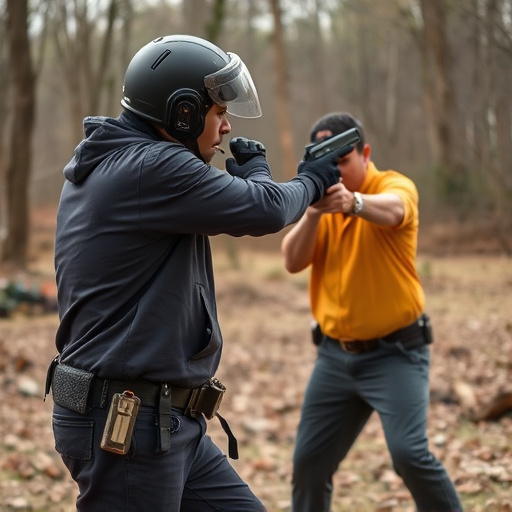
Tasers and stun guns are both non-lethal weapons designed to incapacitate individuals, but they operate on distinct principles. Tasers, officially known as Electronic Control Devices (ECDs), use electrical current to disrupt muscle control, causing temporary paralysis. They typically consist of two probes connected by thin wires to a handheld device that fires the probes towards the target, delivering a powerful electric pulse. On the other hand, stun guns, or stun devices, employ high-voltage, low-current electrical energy to override the body’s nervous system, resulting in a sudden jolt and muscle contraction. These devices often resemble firearms, with a trigger mechanism that releases an electric charge when pulled.
One popular combination is a concealed stun gun flashlight combo, offering both self-defense capabilities and illumination in dark environments. Stun guns have gained popularity for personal protection due to their ease of use and perceived safety compared to guns firing live rounds. However, it’s crucial to understand that despite being non-lethal, both tools should be used responsibly and only as a last resort, following local laws and regulations regarding their possession and deployment.
Key Differences Between Taser and Stun Gun Technology
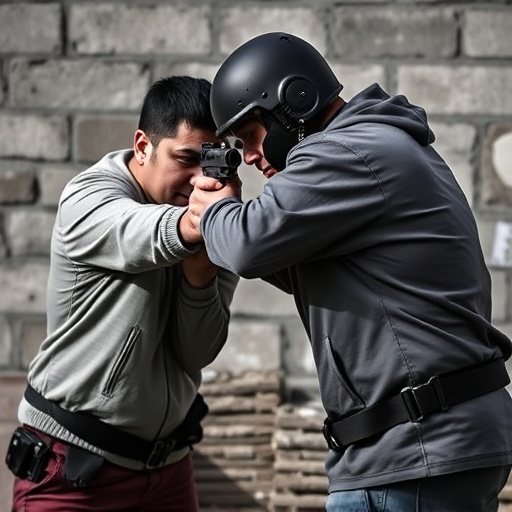
Taser and stun guns are both non-lethal weapons designed to immobilize targets, but they operate on distinct principles. The key difference lies in their technology and effect. A taser uses electrical current to disrupt muscle control, causing the target to experience intense spasms and temporary paralysis. It fires two small probes connected to wires that deliver the electric pulse, making it more suitable for crowd control or when the target is at a distance. On the other hand, a stun gun generates a high-voltage, low-amperage electrical discharge, which delivers a powerful shock that can incapacitate an individual for several minutes. Stun guns typically resemble a handgun and often include features like a built-in flashlight, making them easily concealable as a concealed stun gun flashlight combo.
While both devices are non-lethal, their mechanisms differ significantly. Tasers use a net of electrical probes to disrupt muscle function over a larger area, whereas stun guns focus a concentrated electric charge directly onto the target’s body. This distinction can influence factors such as range, effectiveness against protective gear, and ease of use. Understanding these differences is crucial for individuals considering the right self-defense tool based on their specific needs and circumstances.
Legal Considerations for Carrying Concealed Self-Defense Devices
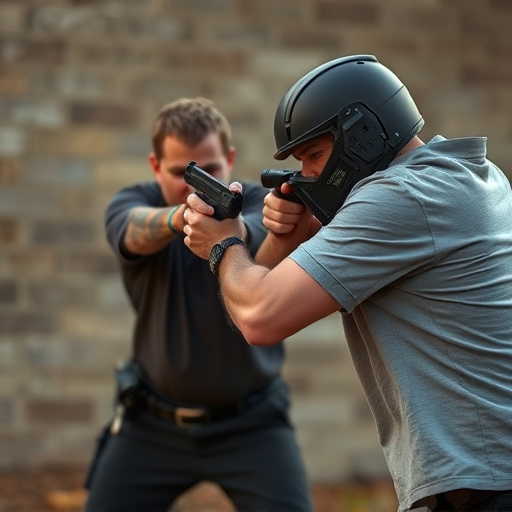
In many jurisdictions, the legal status of self-defense devices like tasers and stun guns varies widely. One notable difference lies in how they are classified under local laws, which impacts the ease of ownership and carrying. A concealed stun gun flashlight combo, for instance, may be subject to different regulations than a traditional taser due to its compact design, making it easier to conceal. It’s crucial to understand these legal considerations before purchasing or carrying any self-defense device.
The laws governing concealed weapons differ from state to state and even city to city. Some areas have strict restrictions on who can own and carry stun guns, while others may allow them with a permit or under specific circumstances. Additionally, there are often limitations on the power output and size of stun devices. Carrying a concealed stun gun flashlight combo might require additional permits or registration, unlike conventional tasers that are more readily available to the public. Always check local legislation to ensure compliance and avoid legal repercussions.
Features of a Hidden Stun Gun Flashlight Combo
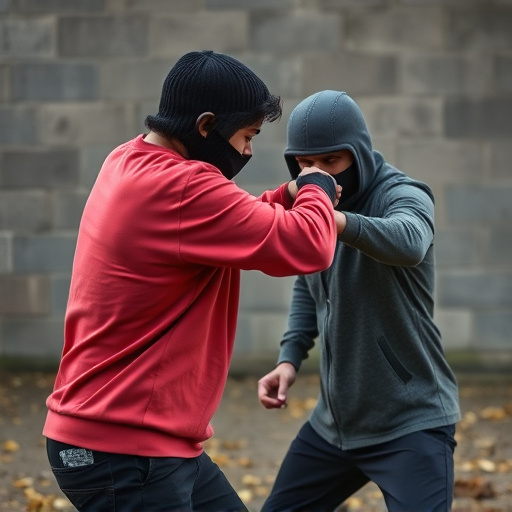
A concealed stun gun flashlight combo combines two essential self-defense tools into one compact device, offering both visibility and protection. This innovative design allows users to carry a powerful stun gun capable of delivering strong jolts while also featuring a bright LED flashlight for low-light situations. The stun gun component is typically designed with a trigger mechanism that requires a simple pressure point or twist to activate, ensuring ease of use during emergencies.
These combos are often ergonomically designed, fitting comfortably in the palm of your hand and easily concealed under clothing. They may also include additional features like adjustable brightness settings for the flashlight, providing versatility in different environments. The combination offers peace of mind, knowing that you have both a reliable light source and a potent stun device readily available when needed, making it an ideal choice for personal safety advocates seeking discreet self-defense options.
Choosing the Right Self-Defense Tool: Taser vs Stun Gun
When it comes to self-defense, choosing the right tool is paramount. Among the options available are tasers and stun guns, each with distinct features that cater to different needs. A concealed stun gun flashlight combo offers a versatile option for those seeking both illumination and protection in a compact form factor.
Tasers and stun guns share the common goal of incapacitating an assailant temporarily, but they differ significantly in their operation. Tasers use electrical current to disrupt muscle control, causing the target to fall to the ground. Stun guns, on the other hand, deliver a powerful electric shock that can disable an attacker for several minutes. The choice between them depends on personal preference and specific scenarios. For instance, a stun gun might be more effective in close-quarters combat, while a taser could prove beneficial for maintaining distance due to its ability to knock an opponent down. A concealed stun gun flashlight combo combines the advantages of both, providing users with a reliable self-defense mechanism in various environments.
When choosing between a taser and stun gun for self-defense, understanding their unique differences is key. While both devices disable attackers temporarily, tasers use electrical muscle contraction compared to stun guns’ high-voltage discharge, affecting the nervous system. Legality varies by region, so knowing local laws regarding concealed carry of self-defense devices like a hidden stun gun flashlight combo is essential for responsible ownership. Ultimately, selecting the right tool depends on personal preference and specific needs, ensuring you’re prepared in unexpected situations.