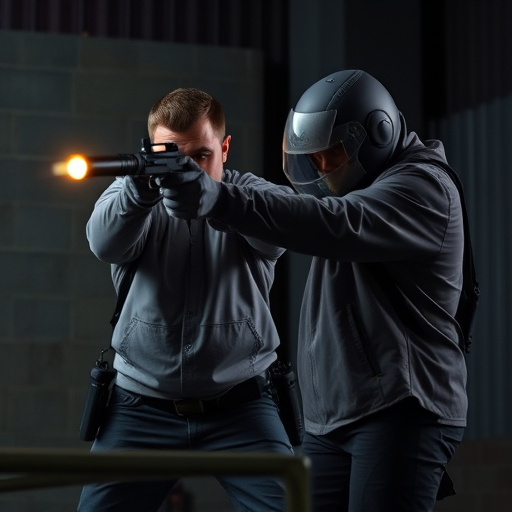
Electrical conductivity of fabrics varies by composition and construction, impacting how voltage from a concealed stun gun flashlight combo penetrates clothing. Synthetic fibers are poorer conductors than natural fabrics, with thicker non-conductive garments acting as barriers to reduce voltage transmission. Personal safety professionals should consider fabric conductivity when choosing protective clothing. Effectiveness of such combos depends on thickness, material, device design, and metal components within clothing, influencing penetration depth. These devices offer both illumination and stun capabilities for self-defense in low-light conditions, but effectiveness is reduced by heavy fabrics; legal regulations vary across jurisdictions.
In today’s world, awareness of personal safety is paramount. This article delves into an often-overlooked aspect of self-defense: voltage penetration through thick clothing. We explore the electrical conductivity of fabrics and how it affects the depth of voltage transmission. Key topics include the efficacy of concealed stun gun flashlight combos and vital safety considerations with legal implications. Understanding these factors empowers individuals to make informed choices for their protection.
- Understanding Electrical Conductivity of Fabrics
- Factors Influencing Voltage Penetration Depth
- Efficacy of Concealed Stun Gun Flashlight Combos
- Safety Considerations and Legal Implications
Understanding Electrical Conductivity of Fabrics
The electrical conductivity of fabrics plays a crucial role in understanding how voltage penetrates through thick clothing. Different types of fabrics exhibit varying degrees of conductivity, which is primarily influenced by their composition and construction. For instance, synthetic fibers like polyester or nylon tend to be poorer conductors of electricity compared to natural fabrics like cotton or wool. This property significantly impacts the level of protection offered by clothing against electrical discharges, such as those from a concealed stun gun flashlight combo.
When considering a scenario where an individual is equipped with a hidden stun device, the type and thickness of clothing can significantly affect the current flow. Thicker garments made from non-conductive materials can act as a barrier, reducing the voltage’s ability to penetrate and disrupt the body’s electrical system. Understanding these dynamics is essential for individuals who prioritize personal safety in situations where they might be at risk of such devices, ensuring that appropriate clothing choices align with their protection needs.
Factors Influencing Voltage Penetration Depth
The depth to which voltage penetrates through clothing depends on several factors. One key factor is the thickness and material composition of the fabric. Different types of fabrics have varying electrical properties, with some being more conductive than others. For instance, while a thin layer of cotton might only slightly dampen the penetration, thicker materials like denim or leather can significantly reduce the voltage’s effectiveness.
Another influencing element is the design of the concealed stun gun flashlight combo. The shape and size of the device, as well as its power output, play crucial roles in how deeply the voltage penetrates. Smaller, more compact devices might struggle to deliver a powerful enough jolt through thick clothing, whereas larger models with higher voltage outputs have a better chance of penetrating deeper. Additionally, the presence of metal components or conductive elements within the clothing can enhance voltage transmission, affecting the overall penetration depth.
Efficacy of Concealed Stun Gun Flashlight Combos
In recent years, the concept of a concealed stun gun flashlight combo has gained traction among personal safety advocates. These innovative devices combine the power of a stun gun with the functionality of a high-intensity LED flashlight, offering users a versatile tool for self-defense. The efficacy of these combos lies in their dual purpose; not only do they provide powerful illumination, but they also serve as effective deterrents against potential threats.
The concealed stun gun flashlight combo is designed to be easily concealed and accessible, allowing individuals to defend themselves discreetly. With a simple activation, the stun function can deliver a strong electric shock, incapacitating an attacker long enough for the user to escape or seek help. Simultaneously, the built-in flashlight provides clear visibility in dark or low-light conditions, enabling better assessment of surroundings and strategic planning for safety.
Safety Considerations and Legal Implications
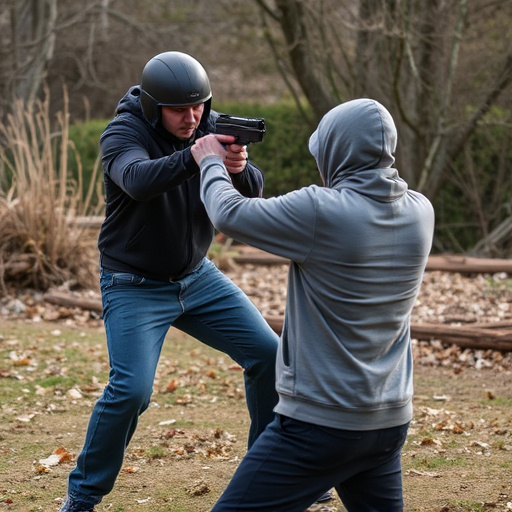
When carrying a concealed stun gun flashlight combo, it’s crucial to understand voltage penetration through thick clothing. While these devices are designed for personal safety, their effectiveness can be diminished by fabric barriers. High-voltage outputs may struggle to penetrate heavy materials like denim or canvas, reducing the stun’s impact. Users should be aware of this limitation and consider the type of clothing they wear when choosing a self-defense tool.
Legally, the possession and use of stun guns are regulated differently across jurisdictions. It’s essential to research and comply with local laws regarding concealed carry permits, age restrictions, and usage guidelines. Using a stun gun in public places or against someone without legitimate self-defense intent can have severe legal repercussions. Always prioritize safety and adhere to the law to ensure responsible use of your concealed stun gun flashlight combo.
The study of voltage penetration through thick clothing highlights the complex interplay between electrical conductivity, fabric properties, and depth of penetration. Understanding these factors is crucial for assessing the efficacy of concealed stun gun flashlight combos, which offer a unique blend of self-defense and illumination capabilities. By considering safety considerations and legal implications, users can make informed decisions when choosing such devices. Remember that while these combos may provide an additional layer of protection, proper training and awareness remain essential to ensure safe and responsible use.